
In my last post (Battle Royale (Agrarian Style)) I revealed that I have indeed used a tool on a tractor to accomplish an agrarian goal. I used a single shank subsoiler, aka chisel plow or ripper, to help prepare a hillside to become a productive orchard. There were definitely ways that I could have used hand tools only to suit this purpose, but it would have taken years worth of work and crop rotations. This solution allowed me to jump ahead with minimal investment of time and money, and with minimal negative consequences. Read on if you are interested in the reasons behind this exception to my rule (Hand Tools: The Simple Choice).
Continue readingCategory Archives: agrarianism
Subsoiler aka Chisel Plow (not a hand tool)

Filed under agrarianism, hand tools, homesteading, pond, soil, trees, Uncategorized, water
Mulching Comparison Experiment, Part 1
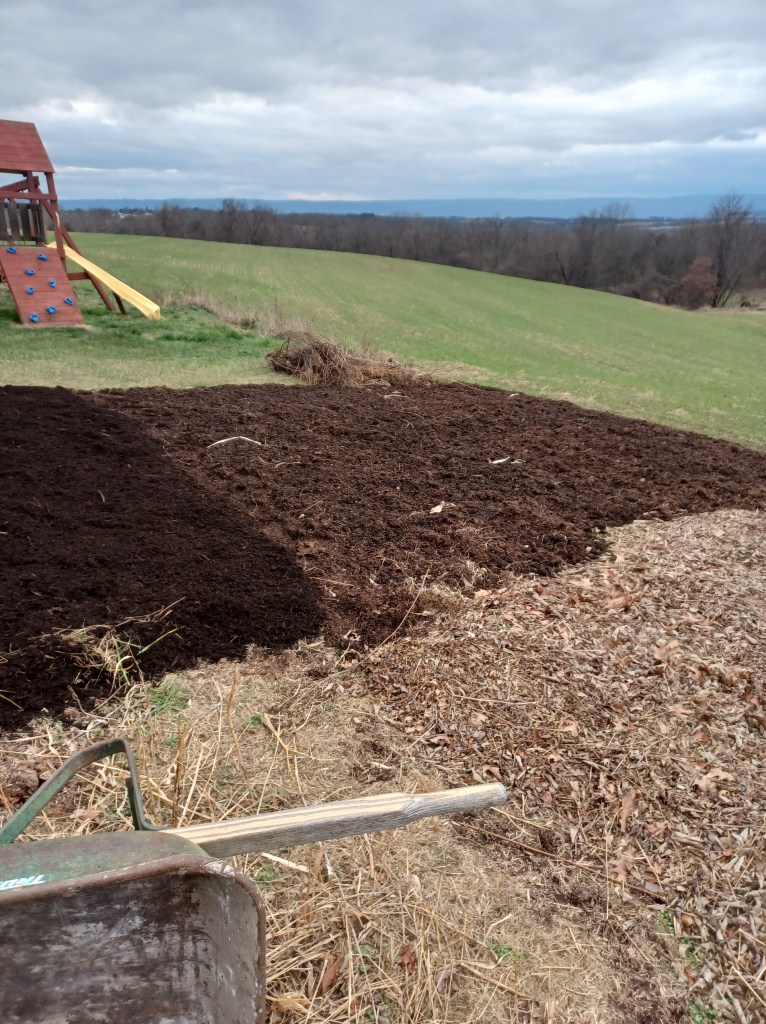
I am starting new gardens from scratch this year, and in the interest of learning new things in new places (Thinking in Long Terms), I have set up an experiment to compare a few different methods of gardening. I will keep this as brief as possible, and expound upon each of these methods as I update you with progress reports over the following years. Each bed will be planted in the spring with potatoes, sweet potatoes, squash, and an assortment of vegetables, along with a row of sunflowers and buckwheat. I have no expectations or knowledge of how the results will look, this experiment is purely out of curiosity and I am excited to see how the different methods turn out. How will they yield, handle drought, soaking rains, etc?
Continue readingShare this:

Filed under agrarianism, food, hand tools, homesteading, soil, Uncategorized
Science Seeks the Farmer
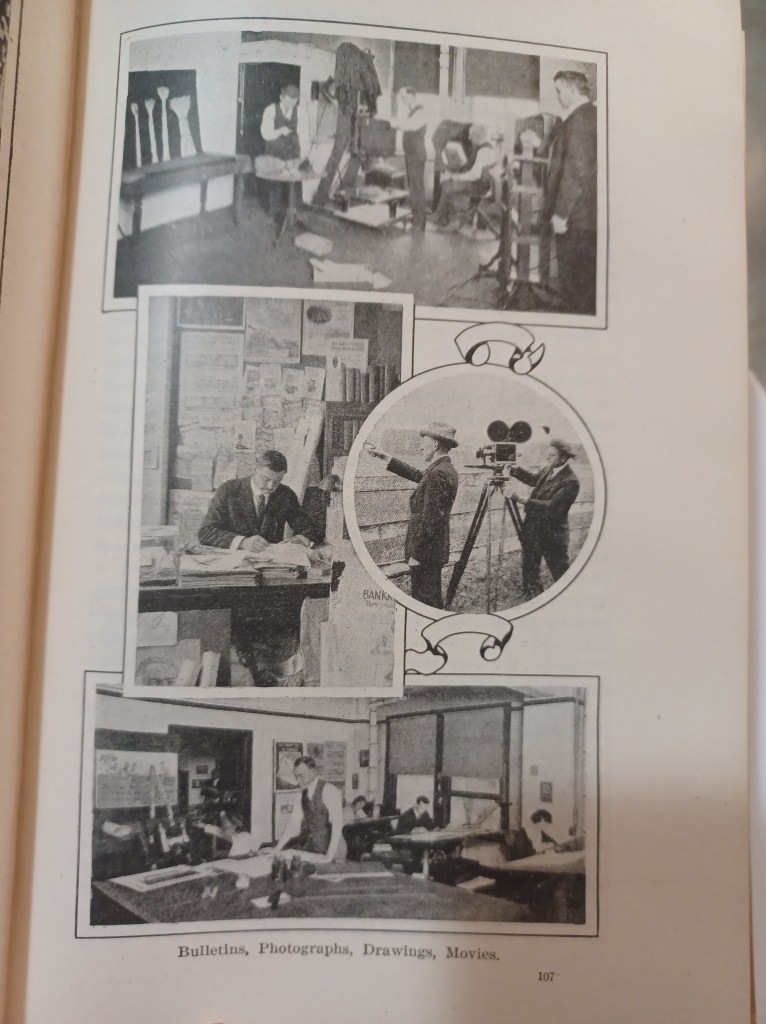
By L.C. Everard – Chief Editor, Division of Publications – an article from the 1920 USDA Yearbook of Agriculture, public property
Something is wanting to science until it has been humanized, said Emerson. That was long ago, before the development of the Department of Agriculture. Were he here today he would probably say something is wanting to agricultural science until it puts on its overalls and gets out between the plow handles. And the scientists of the department would agree with him; for though they may in their laboratories surround their work with a cloud of hard words and harder ideas like a smoke screen anround a battleship, they realize that their investigations and discoveries are made for the sake of mankind, and acquire their chief value when the veil of thechnicality is torn away. Cyclonic action means something to the farmer when translated into term of rain or snow or fair weather. And scientific study of the life history of Ascaris lumbricoides becomes a blessing to him when a way has been found to apply the knowledge so as to save his pigs.
Continue readingShare this:

Filed under agrarianism, books, USDA Yearbooks of Agriculture
Thankful for … Butternut Squash

Every fall cucurbits rise to fame and infamy. They appear on porches as testaments to their diversity, as monsters and vampires, as modern art disguised as a vegetable smashed on the ground. They bring folks to a local farm, bring families together around a hot pie, and bring coffee lovers to love or hate the words ‘pumpkin spice’. They are a symbol of fall, harvest, and abundance. I am thankful for them. I am most thankful not for the pumpkin, however, but for the Butternut – cucurbita moschata.
Continue readingShare this:

Filed under agrarianism, food, homesteading, thanksgiving
Rain-forest Sounds
Living in a rain-forest has its perks. People may not remember that the Appalachian Mountains are covered by one of a very few temperate climate rain-forests in the world. The sounds from the front porch every morning make it glaringly obvious.
Share this:

Filed under agrarianism, birds, homesteading, wildlife, woods
Garden Row Markers – Woodburning
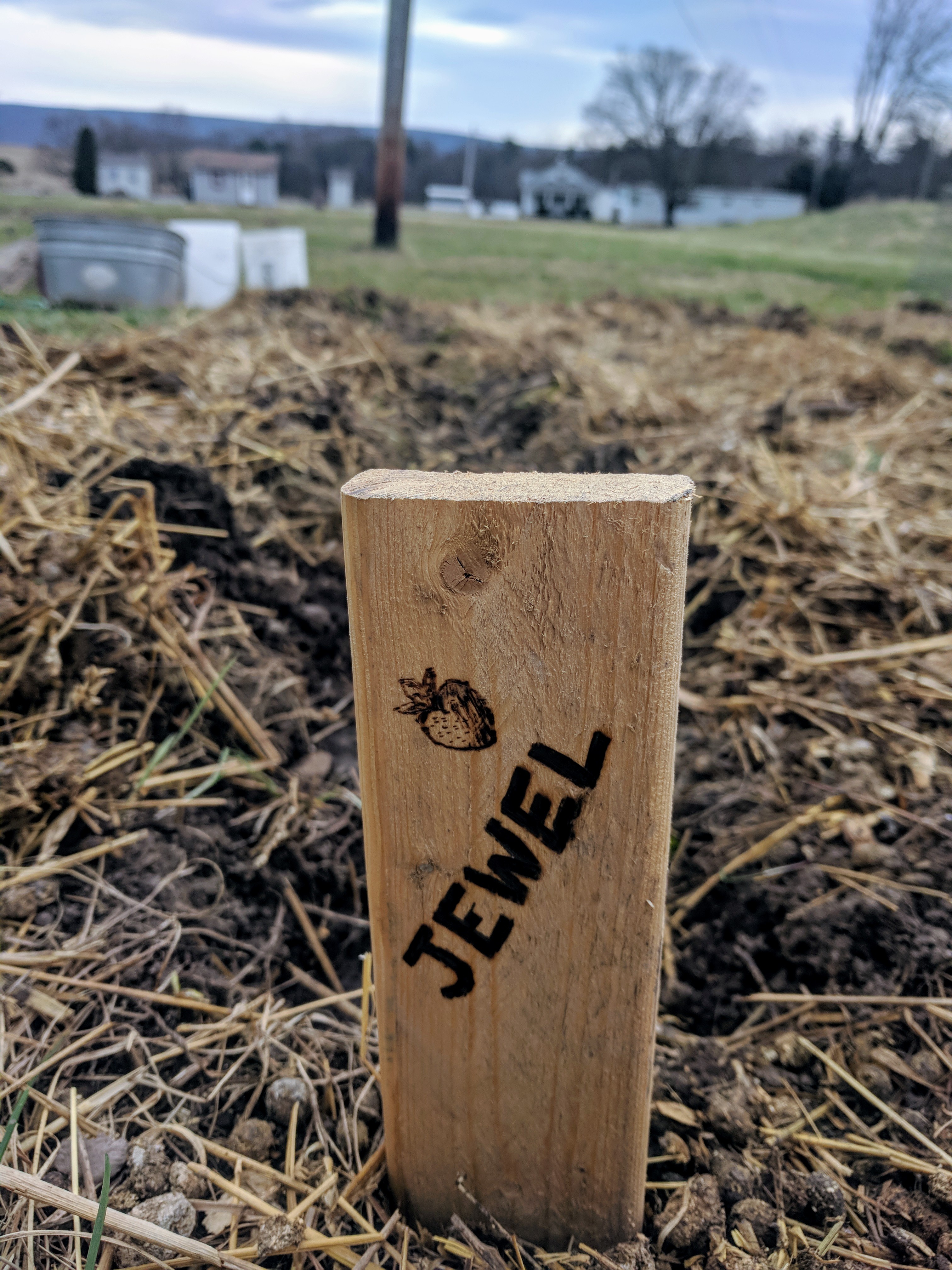
Over the years, we have made many attempts at differentiating all the rows of a garden in some way that’s easily visible while in the garden. Each of them has failed in one way or another. This year, with the arrival of our 8 year old daughter’s All Season Strawberry Collection from Burpee’s, we decided to try yet another iteration of the garden row marker – woodburning. Continue reading
Share this:

Filed under agrarianism, art
Meat Rabbits; or How Children Can Provide Substantial Assistance on a Homestead, Part 1

Mature breeding buck
A few years ago we began asking the children this question: “If you could pick one farm project, what would it be?” We got many wide-ranging answers, some realistic, some not. One answer was given by our son – meat rabbits. Our first step was to have him do what free and readily available research he could. Once he exhausted our own home library, we bought the Storey’s Guide to Raising Rabbits, a pre-owned copy of course. The Storey’s Guide series are one of our go-to introductions to any topic. They are well-written by experts in the specific topic relevant to each book, they start from the beginning specifically for someone with no knowledge of the topic, and they go into enough detail that anyone could start that project without a more advanced book. Continue reading
Share this:

Filed under agrarianism, children, homeschooling, homesteading, rabbits
Tree Planting Season
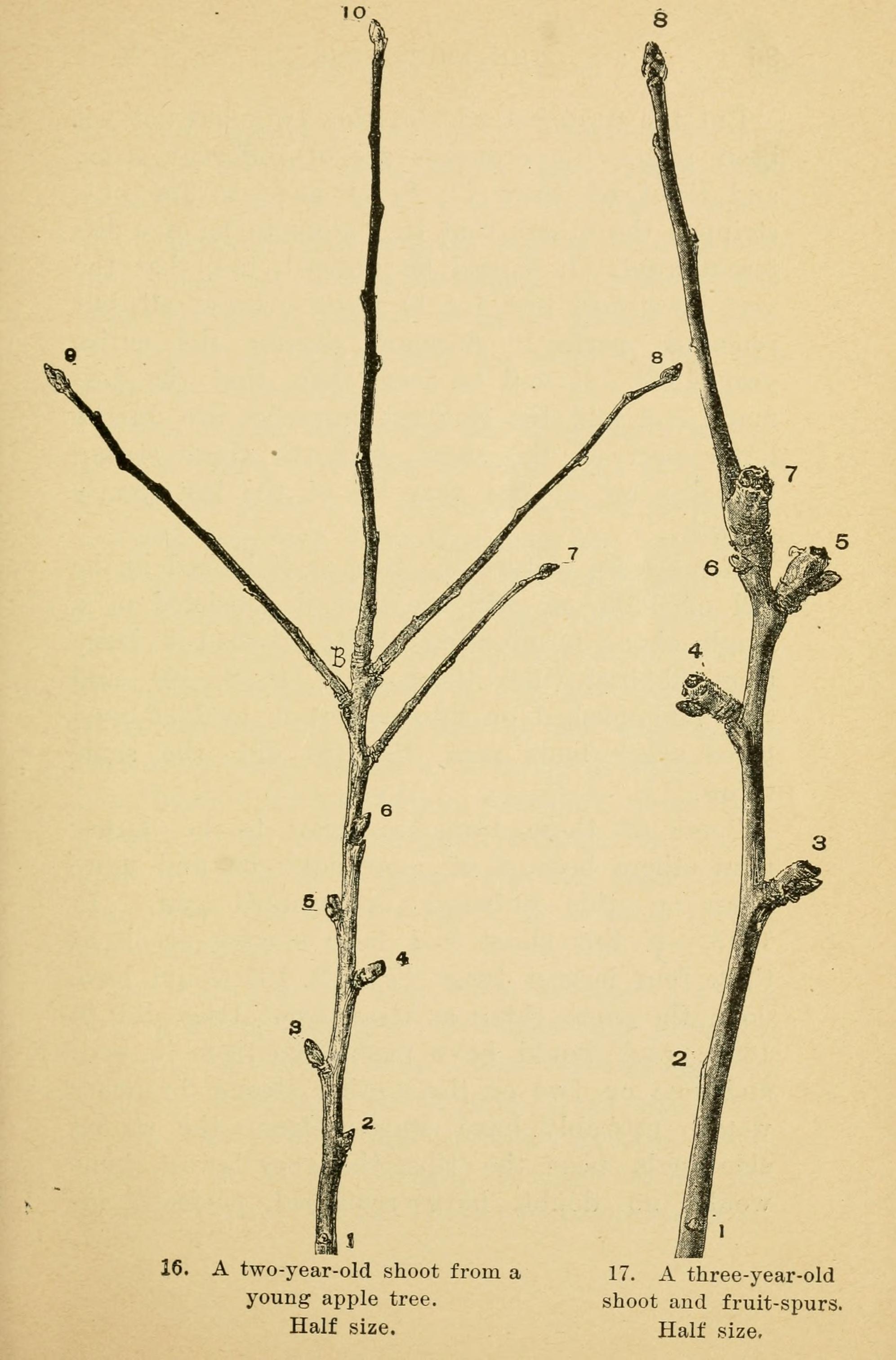
The day that bare root trees arrive in the mail is always an exciting day. It’s a day for dreaming, even for those of us who are usually so well grounded in reality. These finger-thick twigs with a few roots at their bottom will explode into a 12 foot tall solar-powered fruit factory in 5 years or less, and then continue bearing fruit loyally and faithfully for decades upon decades as long as you remember to uphold your part of the contract.
Upon arrival, you must remember that these trees are in the most vulnerable part of their existence. They are young, fragile, and their roots are not in the life-giving soil where they belong. Can you imagine what that must be like? Of course you can, you were a young adult once – Continue reading
Share this:

Filed under agrarianism, trees, Uncategorized
Compost!

Compost is the breakdown product of organic wastes, containing large proportions of humus which is a long-acting soil fertility booster. Any organic material (not talking about certified organic designation, just the carbon-based once-living kind of organic) can be composted, eventually becoming soil again as it once was before being integrated into an organism.
“Composts offer a practical means of maintaining the soil fertility which is the most important factor in the successful operation of a subsistence farm….There are available on practically all farms and gardens many materials which are useful for composts, although the farmer or gardener often fails to appreciate their value. Some of the common materials which are often wasted are leaves, straw, muck, vegetable tops, grass clippings, and garbage material which is inedible for chickens or pigs.”
~C.C. Fletcher, 1935 USDA Yearbook of Agriculture
Share this:

Filed under agrarianism, soil
Crop Rotation and Diversification
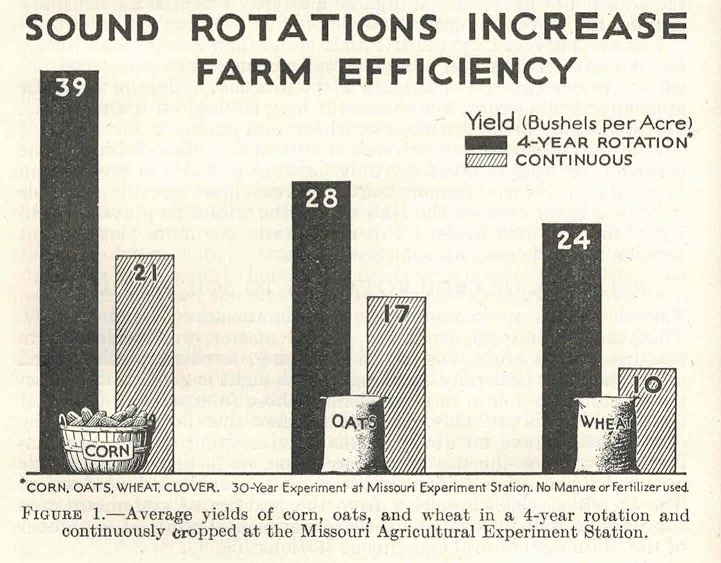
Image scanned from 1938 USDA Yearbook of Agriculture “Soils and Men” – Article: “Crop Rotation” by Clyde Leighty
The concept of crop rotation is not a new idea. It is an idea as old as agriculture. Crop rotation, simply put, is growing a variety of plants in a planned manner to ensure that one species is not grown in the same field for multiple years in a row. It requires a certain amount of diversification, and on the larger industrial scale it can present problems in the need for many different equipment schemes for planting and harvesting. Modern agriculture ‘solves’ this dilemma by ‘scientifically’ replacing, in the form of fertilizer, what it considers to be all of the nutrients that the crop has removed from the soil in the previous year, and replanting that same crop. There are many problems with this plan that are not in the scope of this article to address.
Share this:

Filed under agrarianism, soil
 Anonymous Appalachian Agrarian