

Disclaimer: Outside of its native range (in and around the Appalachian Mountain range in Eastern North America) Black Locust – Robinia Pseudoacacia – can become invasive. It is a pioneer species meant to recolonize disturbed ground and compete with grass. If you are outside of its native range please proceed with caution with this species, or consider using a species native to your area that fills the same niche.
Black Locust Coppicing – Part 1, Part 2, Part 3, Part 4, Part 5, …, Part 7
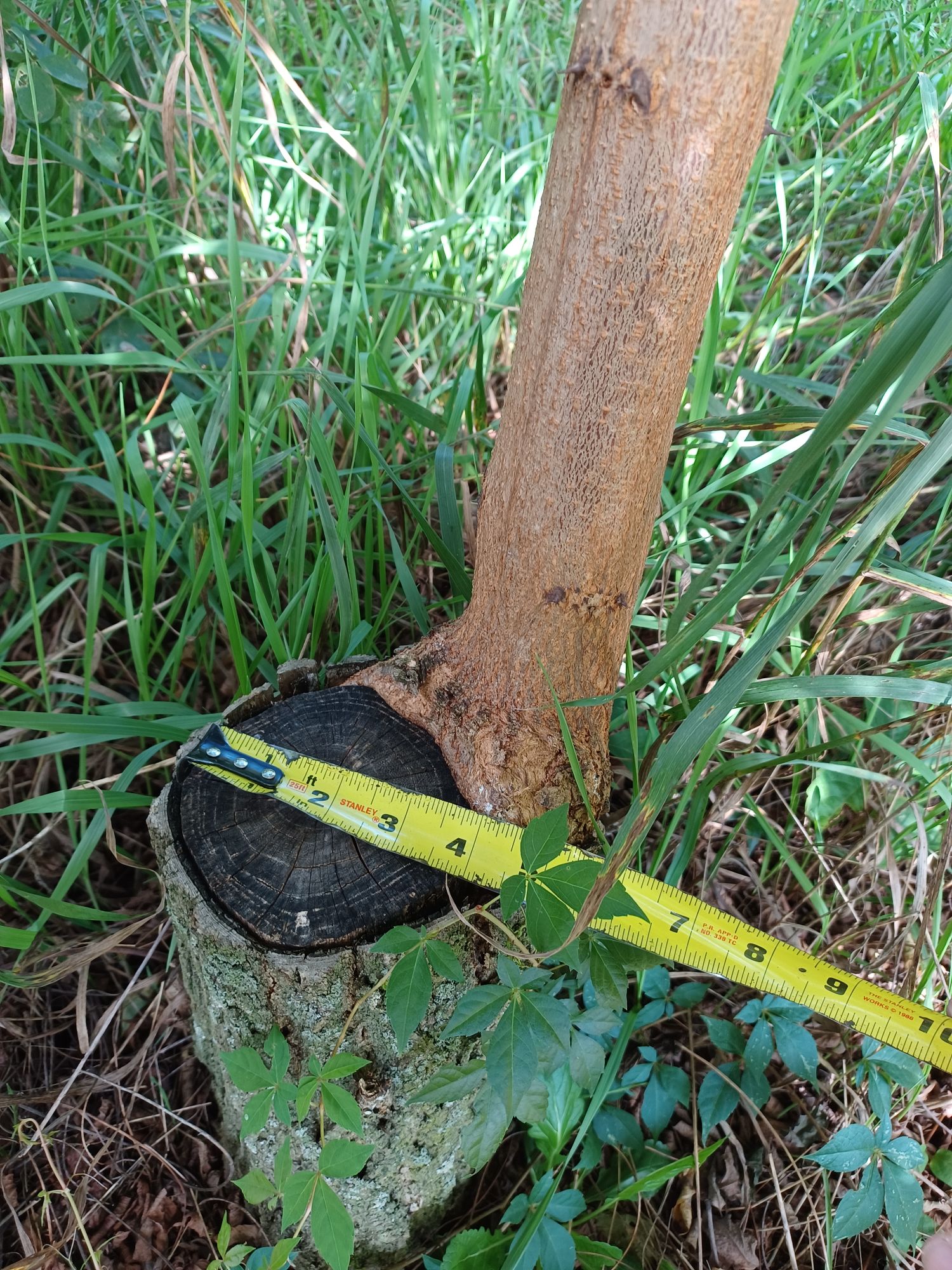
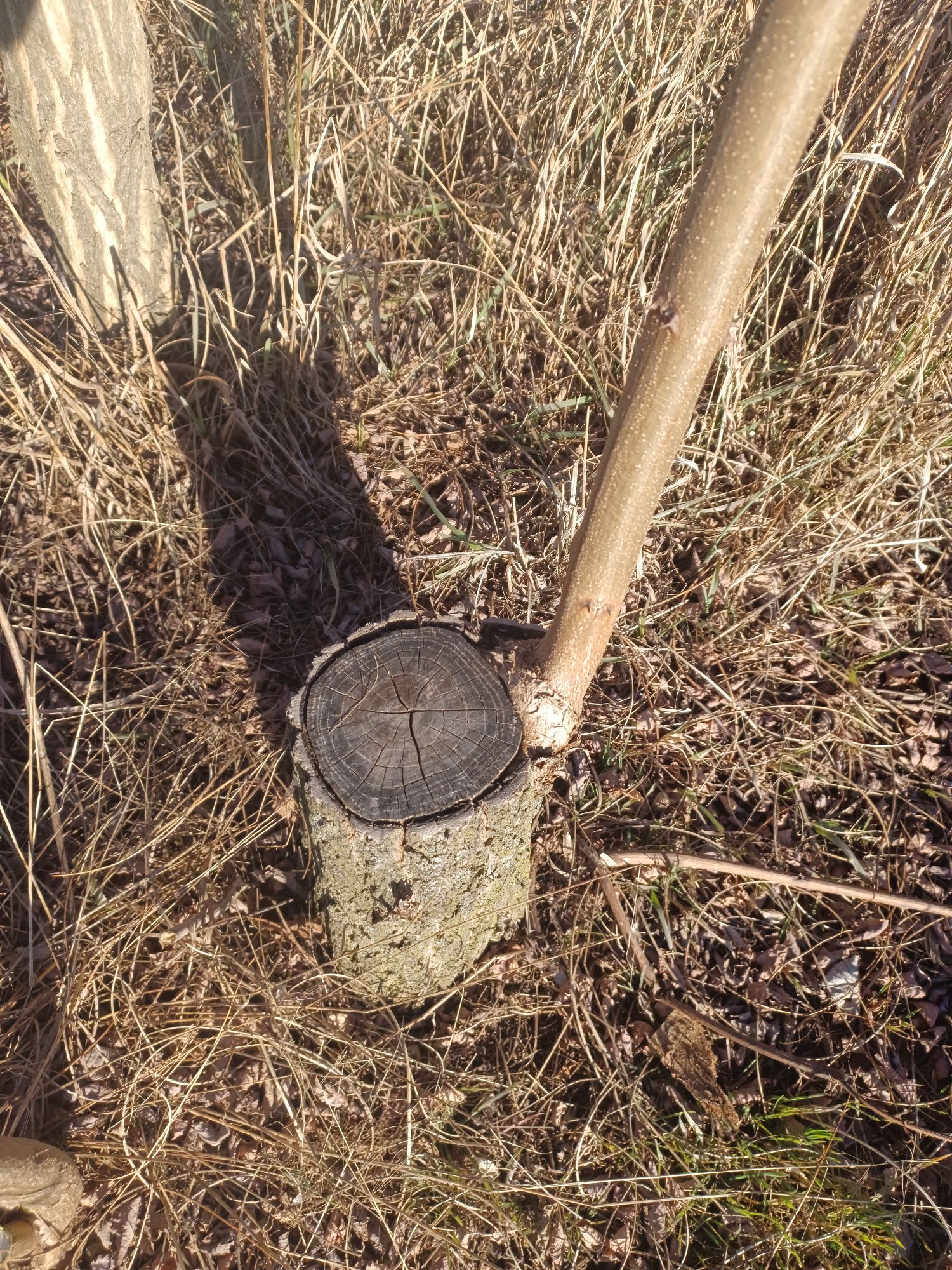
It is now late summer of 2024, the coppicing project has yet to complete two years of growth, and I already have 1 stem (headline picture) which I am very seriously considering taking this winter. My goal with this project is to maintain a strict hand-tools only harvesting method, and anything much beyond 3″ diameter starts to become burdensome to that goal. This thickness of the base allows for a few decent split-log sized pieces as well as a gradient of sizes down to kindling twigs, without ever having to buck large rounds or split anything. Most of the stems are not close to this and will take at least another year or two to be of useful size, but they are progressing at a pace that would seem to put the average stem harvest at 4 years from coppicing. My initial thought had been that I would be harvesting on a 5-8 year rotation, and as of now it seems it may be closer to 3-5 years.
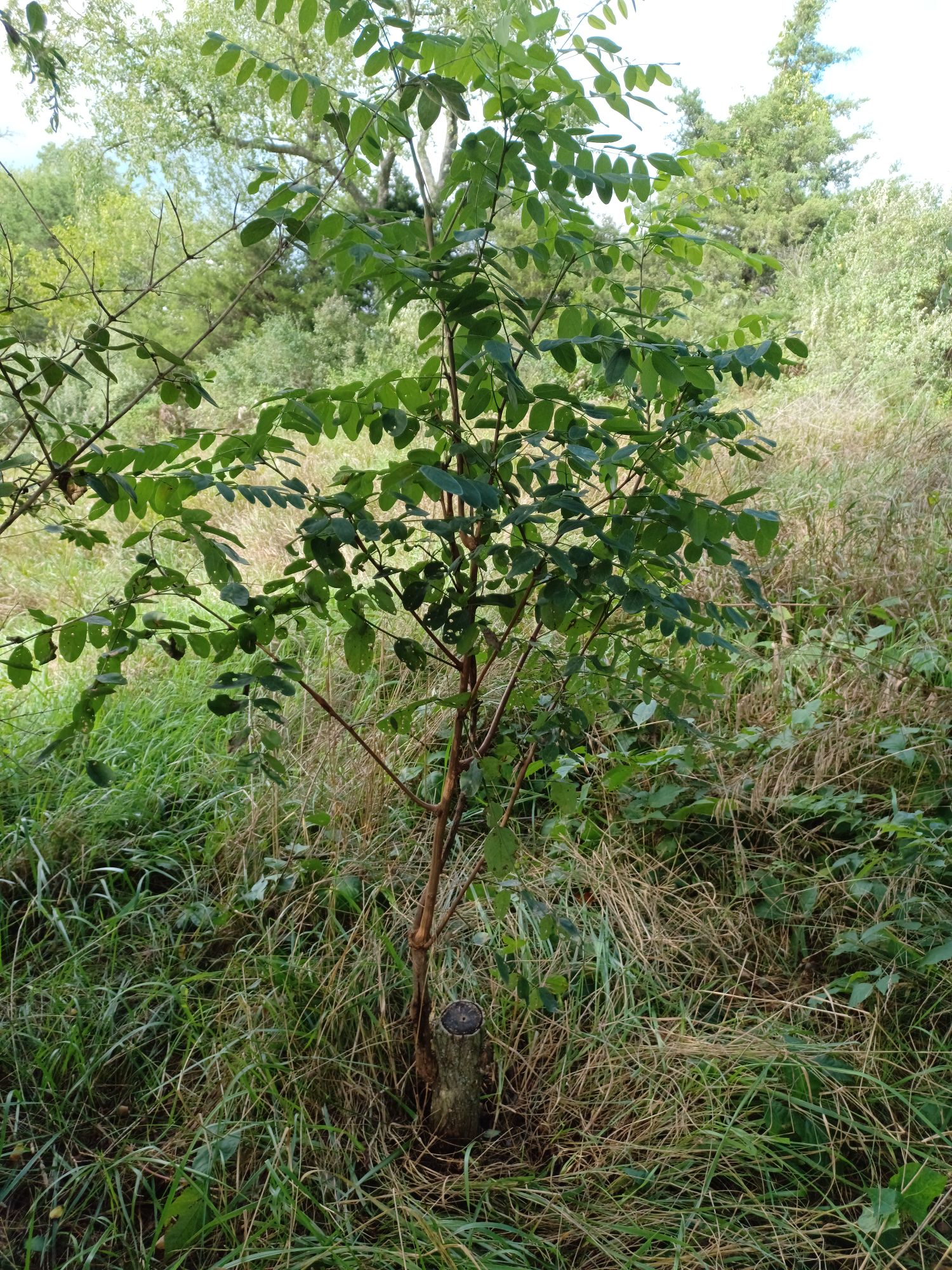
This project has been a light in the dark, as this year’s weather proved to be worse than the last. If you recall I had written that local farmers had despaired that last year was the worst year in living memory. Now we have broken that record in the very next year. The majority of days since June have been over 90F, with little to no rain. I never even began to irrigate from the pond this year, as the level had already been quickly going down by the time I even considered it. This year was the first year since my gardening journey began 18 years ago that I had a complete 100% failure of Butternut Squash! A true tragedy. Through all this, the locusts just chugged along, not seeming bothered by it one bit. Some of the larger seedlings from our intentional plantings have seeds hanging from successful pollination, I am seeing the new seedlings from last year’s seed crop sprouting to a couple feet tall already, and all of the coppiced stools have healthy stands of growing stems. The feeling of cool dappled shade under the stands of locust definitely helped to temper the disappointment of lost garden produce.

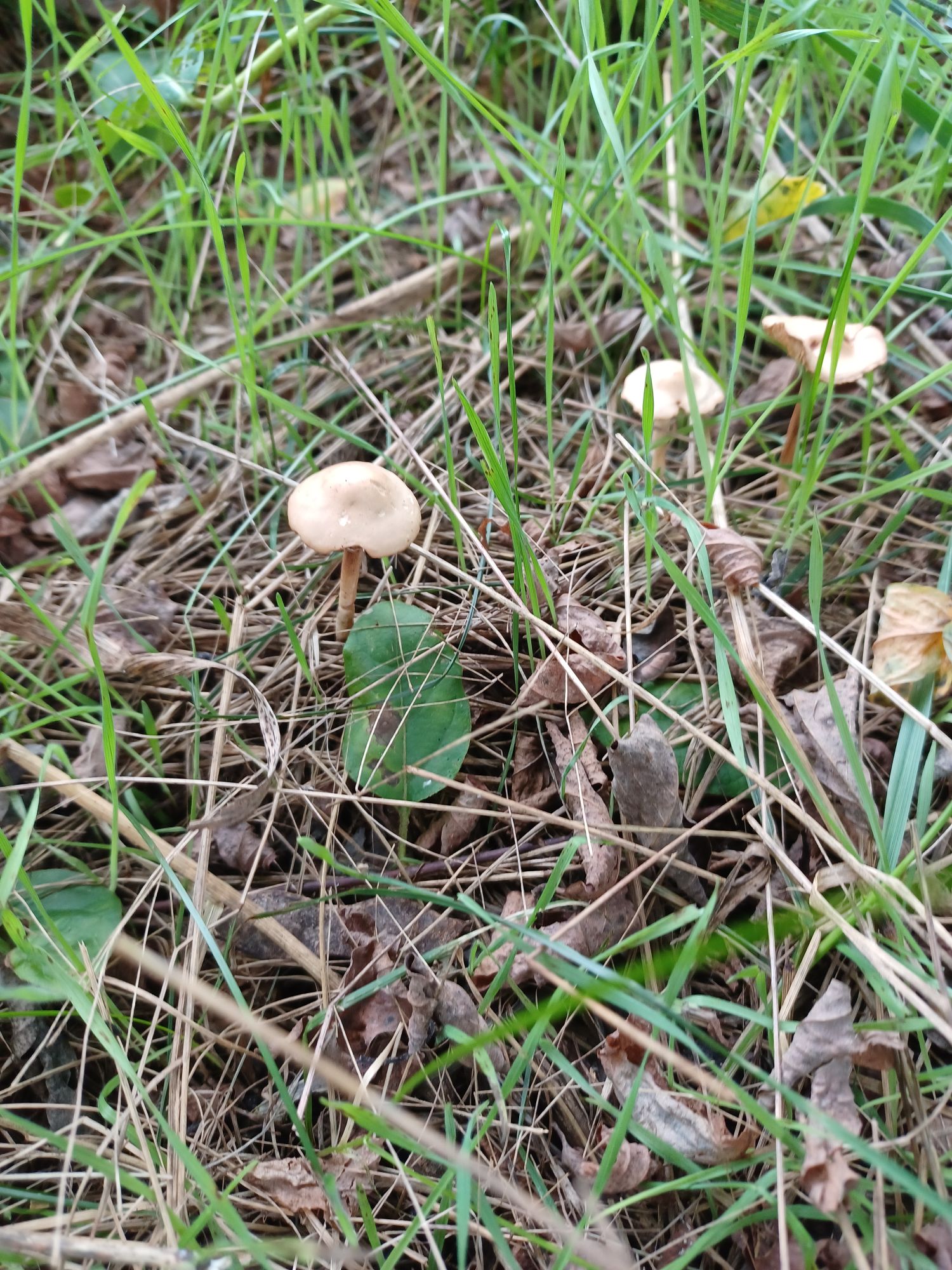
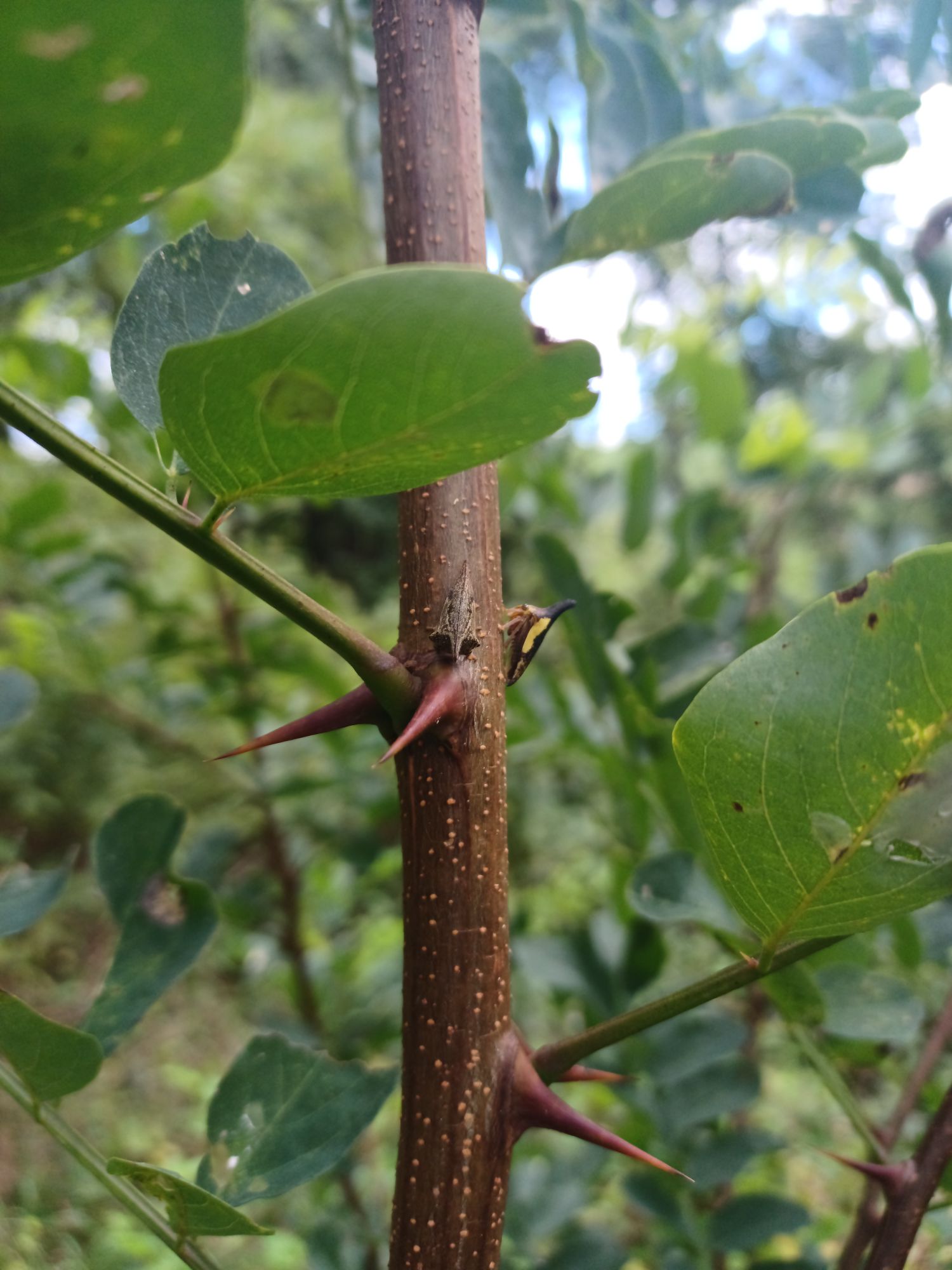
The stands of locust have begun to create their own microclimates, and the environment on and around them has begun to respond accordingly. The cooler temperatures and shade underneath them has allowed for better moisture retention in the soil, letting some mushrooms take hold in the leaf and twig detritus. I spotted some locust treehoppers, which I had never seen before, pretending to be thorns on the stems of young trees. Apparently they do very little if any damage to the trees, attract parasitic wasps that feed on their larvae, and also attract ants that try to defend the larvae so that they can harvest their sweet secretions, and all of this is only possible on this particular species of tree in good health. I have not noticed any locust borer beetle presence in the coppiced trees, although I know for a fact that we do have them here. That may be something that only becomes a problem over a period of years, and since I will be on a fast harvest turnaround maybe they won’t be an issue with this management style. Either way my intended use for the majority of the wood will be as fuel, which would be little affected by borer damage.
The stools that are close together have formed a dense mass of sprouts even after having been thinned this past winter. It is very difficult to even take pictures within them, let alone do any work. If planting for production intentionally, a row system would probably be appreciated for ease of travel and harvest within the coppice. I would think 12-16′ spaced rows would leave plenty of room to bring a tractor/wagon/horse between the rows to pick up and haul back all of the wood. I did indeed harvest a few more trees from this plot this year, I will trim them up and have a measurement of them for my next post, as well as introducing Plot C – seedlings planted elsewhere on the property. A couple more pictures before I go (the last couple are an interesting comparison)…



 Anonymous Appalachian Agrarian
I’m working with an 8 acre food forest with various sections planted with black locust. I’m grazing sheep through alleys there, often cutting black locust sprouts.
It’s good to see what you’re doing.
LikeLike
I’m glad to hear of your project, I’m not at this time able to introduce animals, but what you are doing sounds pretty close to the ideal design for maximum broad-base production. Have you considered documenting your project? I’m sure I’m not the only one that would love to follow along.
LikeLike
There is a post or two split between and tucked away at https://permacultureproductions.com/ and https://thecooperativeatdawnfarm.org/ but they’re all pretty dated. Maybe it’s time for an update.
LikeLike
Pingback: Black Locust Coppicing, Part 1 | Anonymous Appalachian Agrarian
Pingback: Black Locust Coppicing, Part 3 | Anonymous Appalachian Agrarian
Pingback: Black Locust Coppicing, Part 2 | Anonymous Appalachian Agrarian
Pingback: Black Locust Coppicing, Part 4 | Anonymous Appalachian Agrarian
Pingback: Black Locust Coppicing, Part 5 | Anonymous Appalachian Agrarian
This series has been very educational and beneficial to me. I look forward to additional segments. I have ordered a bare root black locust sapling (3-4 ft) that should arrive soon. I ordered it with the primary intention of providing food for bees, insects and birds. Also for coppicing to provide garden stakes and slightly larger fence posts. Then I learned of Black Locust’s invasive nature and have been doubting myself (should have researched that first). With annual coppicing and sprout pruning, I think I can control it. But I do not have experience with coppicing yet. My yard is half an acre, with large oaks, and hickorys on the northern outskirts of a fast growing Metro Atlanta suburb. So many area forests have been lost to high density housing in the last few years, the 90+ acres in front of my house is being cleared right now. I want to create as much of an oasis in my yard as possible. I want to keep it confined to a 5′ by 5′ plot. Should I plant it and hope for the best in my small location or find it another home with more space? Any advice would be most appreciated.
LikeLike
You are just on the southern edge of the native range of Black Locust so I doubt there would be any problem planting it in that location as far as environmental protection is concerned. The invasiveness is a factor of its role – recolonizing disturbed areas and being a front-line soldier on the war between forest and grassland. I think we view its invasiveness a bit harshly for the same reasons we (society not me personally) typically classify dandelion as a weed, but it does deserve the disclaimer I put on every entry! As for containing it to a single space you may be able to manage it if you are coppicing frequently enough to use it only as a source of garden stakes. Once you get to the sizes needed for fence posts it will likely be producing abundant seed pods which spread and sprout quite readily. Wishing you good luck and much patience!
LikeLike