

Disclaimer: Outside of its native range (in and around the Appalachian Mountain range in Eastern North America) Black Locust – Robinia Pseudoacacia – can become invasive. It is a pioneer species meant to recolonize disturbed ground and compete with grass. If you are outside of its native range please proceed with caution with this species, or consider using a species native to your area that fills the same niche.
Black Locust Coppicing – Part 1, Part 2, Part 3, Part 4, … , Part 6, Part 7
We are now one full year from the beginning of this project, and things are going well in my opinion. Late winter is the time for coppicing, cutting firewood, pruning orchards, and dreaming of how this year’s gardening will be exquisitely better than last year’s. The Black Locusts did quite well despite the drought we had last year, and we have now had an average winter for precipitation, so I expect big things this year. As you can see in the cover photo, the deer damage was significant in spots, but overall I would call it average. Some sprouts were entirely lost to deer damage (both buck rubbing and tip nibbling) but it was a minority of the total. The trees put out such numerous sprouts that I don’t really consider it to be detrimental. The coyotes are doing their part to keep that issue under control.


One discovery this year has been that Sharpie marker does not last one year out in the elements on cut wood. I think I will order aluminum tags, as I do not really want this project to be averages only, I would like to be able to track individual progress. For now it will be metadata driven until I can accurately label each and every tree. I am going to have to learn to use spreadsheets properly to truly give this project the data analysis it deserves, so please be patient as that may take a few months. Until then, I can say that the largest trunk that sprouted ended the year at 1.25″ diameter (measured at stool height) by 9′ tall (pretty hefty I think), the most sprouts on one stool was 13, the tallest sprouts were about 9′ tall (there were 7 total at this height), and I left most stools with 2 sprouts after thinning. (more text after a few images)

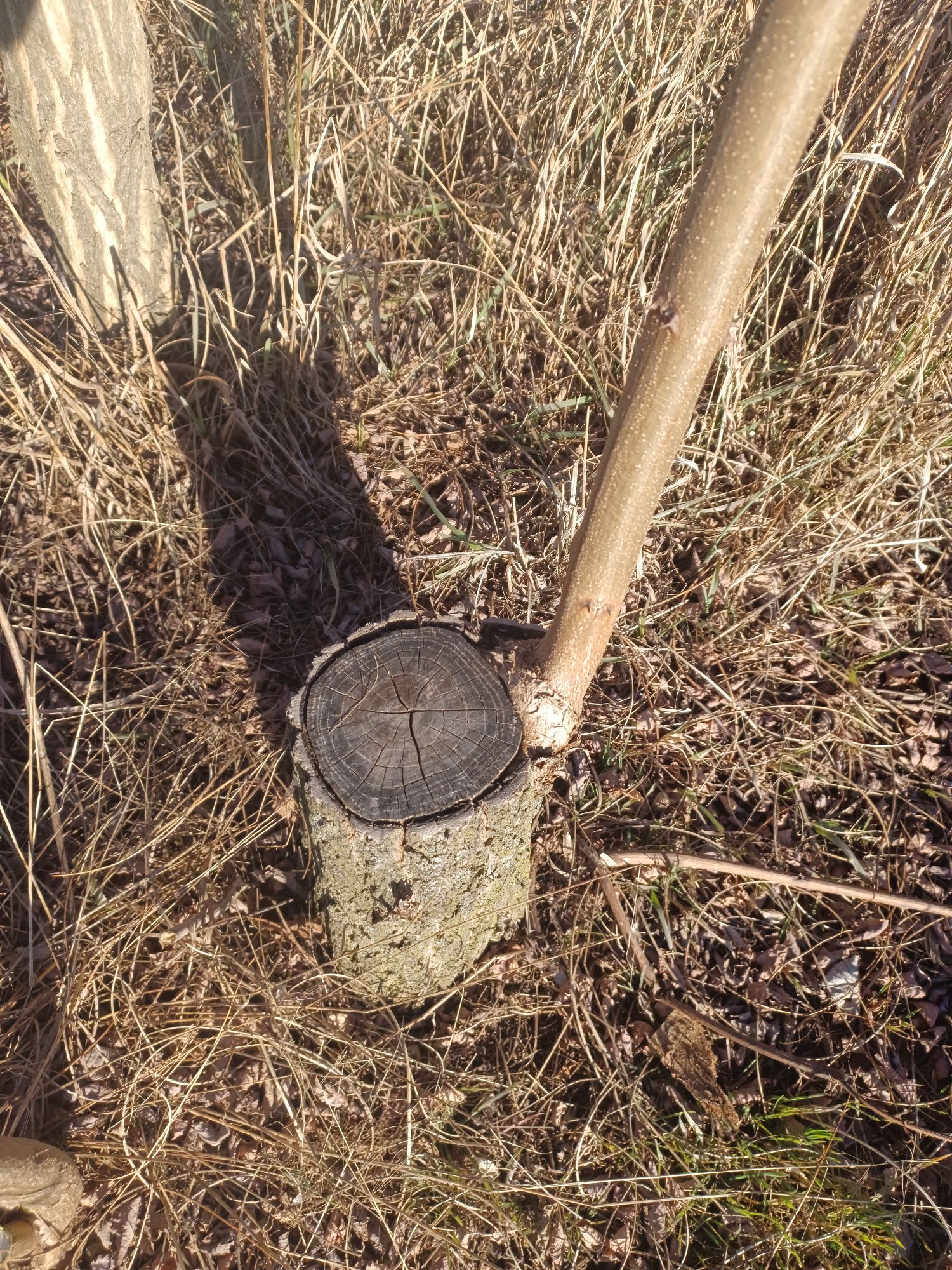
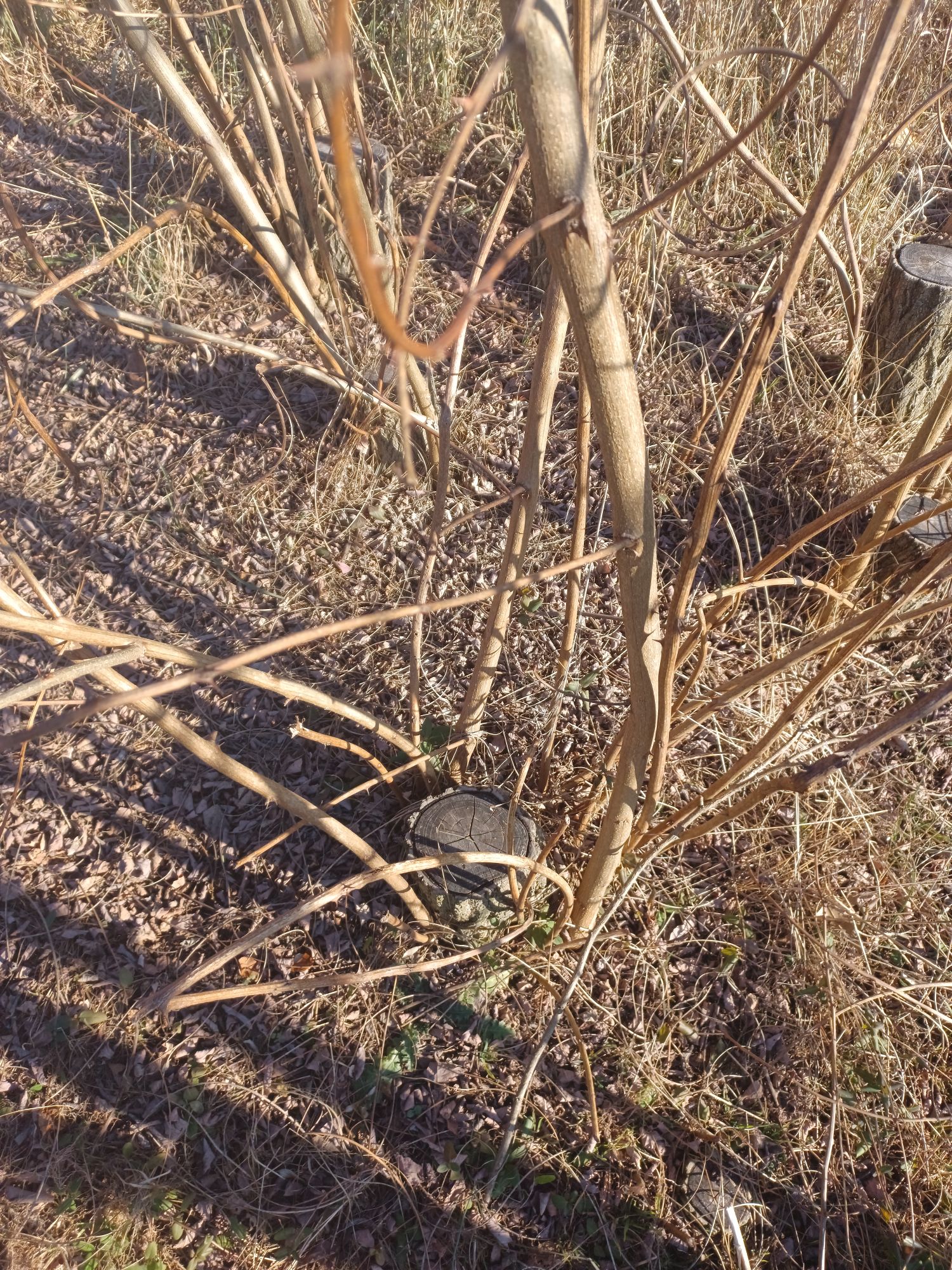
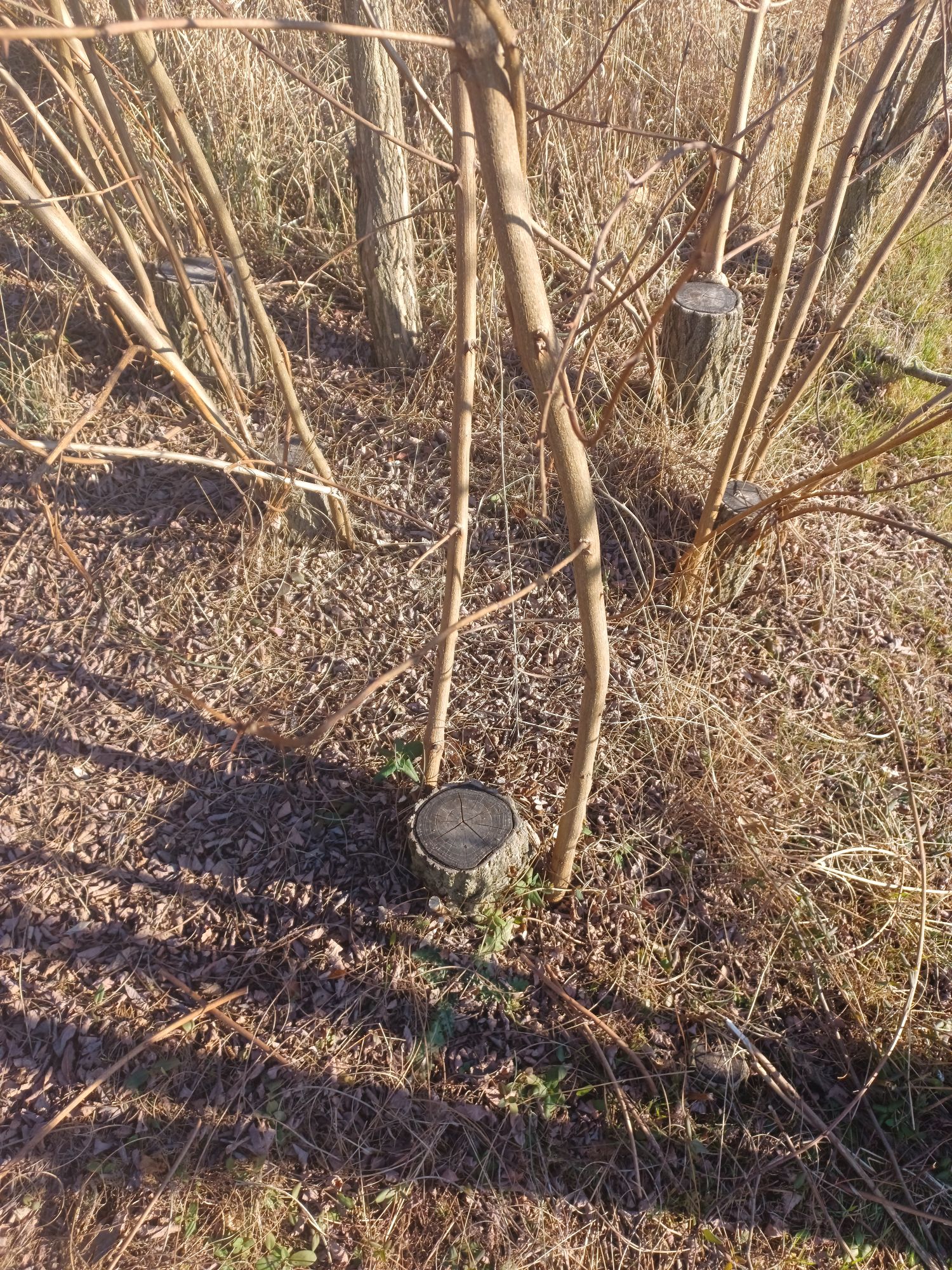
Out of 20 total stools, the average number of sprouts was 6. The twins (A15A, A15B) seemed to have slightly less vigor when counted as individuals, but if counted as one stool ran right about average, leading me to believe they are 2 trunks on the same root system, or that if they are individual trees they are way too close to each other to grow properly. One stool that is within inches of a Black Walnut tree seemed to be very close to average, with one healthier-than-average sprout seeming to indicate that Black Locust does not have an issue growing in close proximity with Juglone. Initial perusing of the data seems to indicate that the half of the plot which is closer to the tree-line and shadier did not put on as much growth as the sunnier half of the plot, which seems logical (but you never know until you document it).
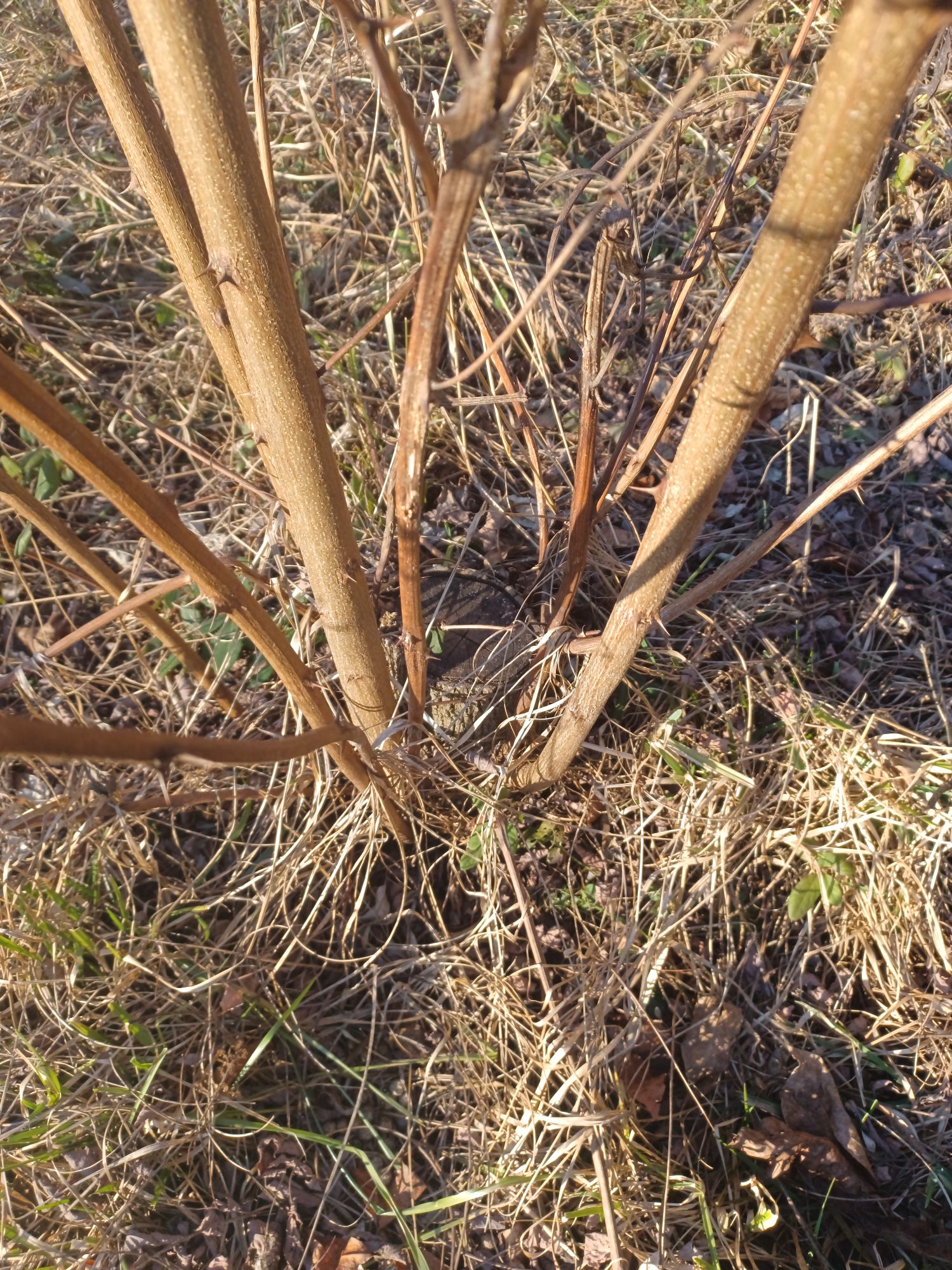

As the pictures show, most sprouts were lower on the stool coming out through the bark, a few were right at the top of the stool making an impressive display of collar growth (such as the largest sprout pictured above), and a significant number of sprouts were growing off of the roots instead of the stool itself. There did not seem to be any sprouts further than about 6″ from the stool, which would make sense given the young age of these trees. Years ago I had downed a pair of 75-100 year old Black Locusts which were close to 3′ in diameter, and the profuse sprouts they sent up from the roots were up to 30′ away from the trunk if my memory is correct.
There will be more posts to follow this spring regarding this project, as I still have to coppice the trunks within this Plot A that are now ready for it, as well as beginning to coppice Plots B and C this year. I will make efforts to become proficient in spreadsheets and hopefully will have lots of analysis from the gathered data in the summer of this year.

 Anonymous Appalachian Agrarian
Pingback: Black Locust Coppicing, Part 1 | Anonymous Appalachian Agrarian
Pingback: Black Locust Coppicing, Part 2 | Anonymous Appalachian Agrarian
Pingback: Black Locust Coppicing, Part 3 | Anonymous Appalachian Agrarian
Pingback: Black Locust Coppicing, Part 4 | Anonymous Appalachian Agrarian
Pingback: Black Locust Coppicing, Part 6 | Anonymous Appalachian Agrarian
Pingback: Black Locust Coppicing, Part 7 | Anonymous Appalachian Agrarian